Main Water Shut-Off Valve Replacement Cost in the Bay Area
How Much Does It Cost to Replace a Main Water Shut-Off Valve?
Replacing a main water shut-off valve in the Bay Area typically runs $300 to $600 when the valve is indoors and accessible, and $500 to $1,200 when it is buried, boxed, or behind a finished wall. Access drives the number far more than the valve does. The valve itself is usually $15 to $60 in residential sizes, so most of what you pay is the labor to reach it, isolate the line, and get it back in service without a leak.
Here is what we see across our own projects, by valve type and location:
| Valve Type and Location | Typical Cost Range |
|---|---|
| Individual fixture shut-off (sink, toilet) | $150 to $350 |
| Water heater shut-off valve | $200 to $450 |
| Main water shut-off (interior, accessible) | $300 to $600 |
| Main water shut-off (buried or in wall) | $500 to $1,200 |
| Irrigation shut-off valve | $250 to $500 |
| Commercial building main valve (2 inch and up) | $800 to $2,500 and up |
The most common residential valve replacement we perform runs $250 to $500. National cost guides tend to quote a single average somewhere near $500, which is fine as a starting point but hides the thing that actually decides your price: whether a plumber can put a wrench on your valve in five minutes or has to dig to find it.
Is Your Quote Fair? How to Read a Valve Replacement Estimate
A fair quote for a main shut-off valve replacement names the valve type, the pipe material, and how the plumber plans to reach the valve. If those three things are missing, the number is a guess, and a guess is what turns into a change order halfway through the job. Price alone tells you almost nothing, because the same $800 can be a bargain on a buried valve and a bad deal on one sitting exposed in a garage.
Most people who search this are not shopping. They are holding one quote and trying to work out whether they are being taken advantage of. That is a reasonable worry and it is worth answering directly, because the honest answer is that a wide spread between quotes is normal in this specific job, and the spread usually reflects a real difference in scope rather than a difference in greed.
Ask any estimate these four questions:
- Which valve are we talking about? The valve at the street in a concrete box is a different job, and a different owner, than the one where the line enters your house.
- What is the pipe made of? Copper solders cleanly. Galvanized steel often means corroded threads, cutting, and a transition fitting, which is real added labor and not padding.
- What happens if the pipe behind the valve is bad? Get the answer before work starts, not when the wall is open.
- Is the shut-off included? Replacing a main valve means killing water upstream first. If that requires the water company, the schedule is not entirely in your plumber's hands.
Say you are quoted $875 for a main shut-off replacement and your neighbor says they paid $400 two years ago. Those can both be honest prices. If your valve sits in a box under a walkway and theirs was on exposed copper in a garage, the difference is an hour of digging, a saw cut, and putting the walkway back. The quote to be suspicious of is the one that names no scope at all.
Who Is Responsible for the Valve, You or the Water Company?
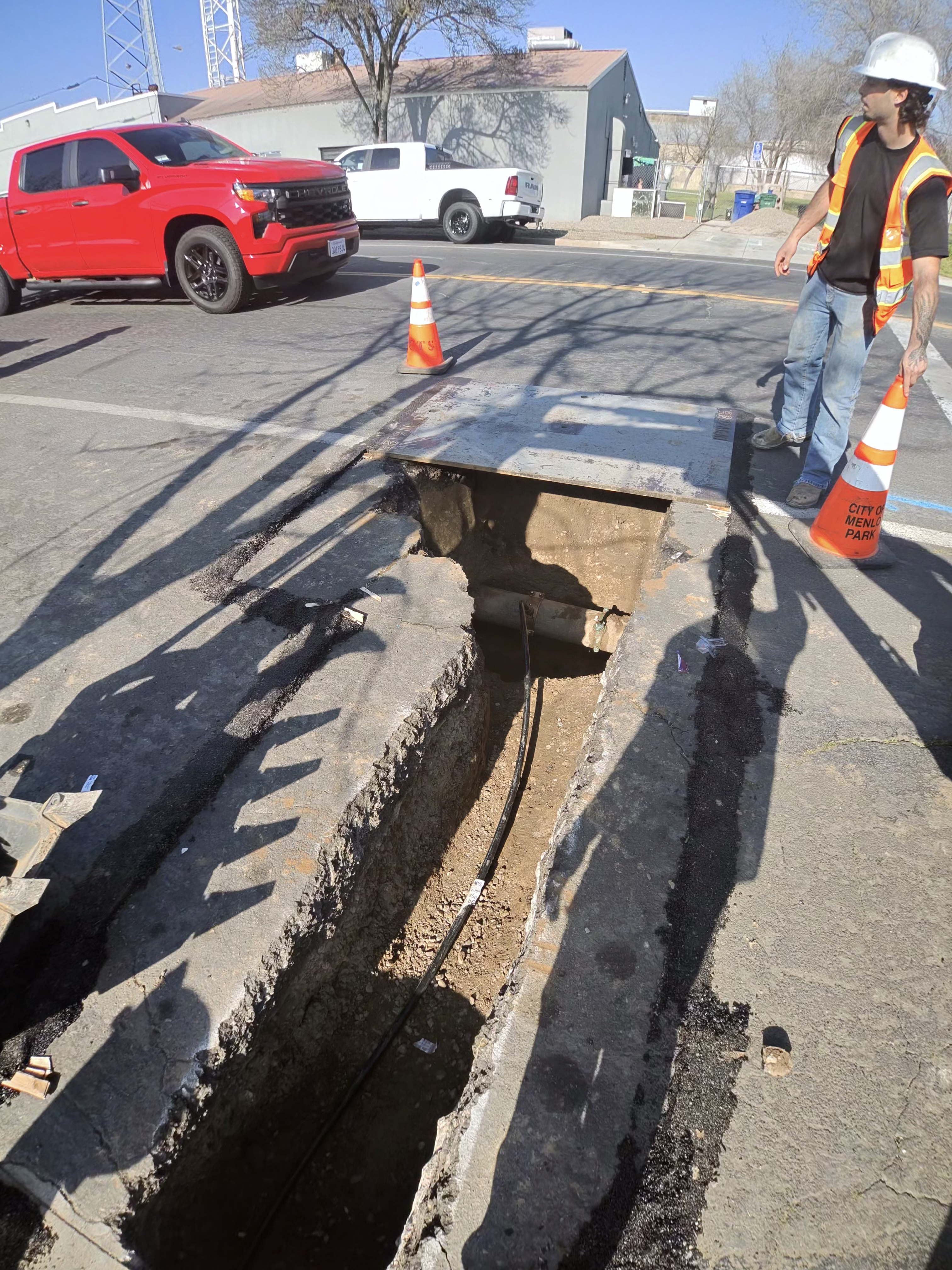
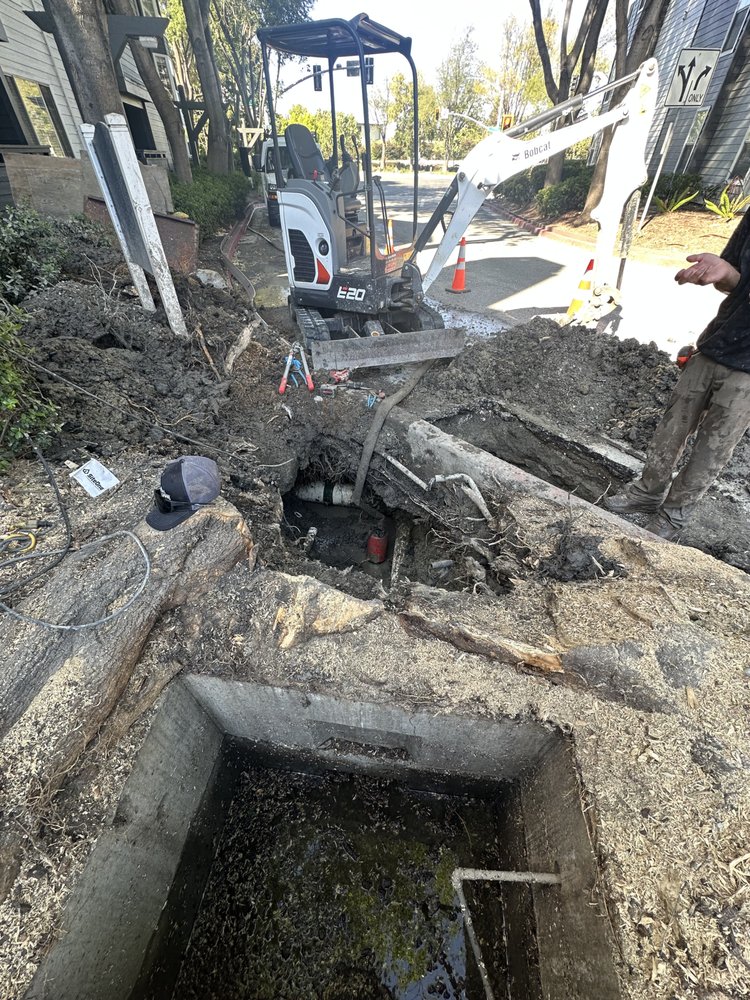
In most of the Bay Area, the water utility owns the pipe, the meter, and the curb stop valve out at the street, and you own everything from there into the house, including the main shut-off valve on your side. That split holds even when the utility's equipment is sitting on your property. So a broken valve in the concrete box by the sidewalk is usually a call to your water provider, and a broken valve where the line enters your home is usually yours to pay for.
This is written down, not folklore. California Water Service, which serves much of the Peninsula, states in its Rule 16 tariff that "the service pipe, curb stop, meter, and meter box furnished by the utility at its own expense and located wholly or partially upon a customer's premises are the property of the utility," and that the customer's own piping runs from there to the property line. Districts word it differently and a few draw the line in a different place, so check with whoever bills you before you assume. But the general shape is consistent across the region.
Picture a homeowner in Burlingame who cannot get water to stop for a bathroom remodel. She finds a valve in a box near the sidewalk, cannot budge it, and calls a plumber expecting a bill. That one is very likely her water provider's to fix, at no cost to her. The valve she does own is the one inside the garage wall, and that is the one worth replacing while the wall is open anyway.
Two situations change the answer:
- Condos and townhomes: the valve serving your unit may sit in a shared wall or a common utility closet, which usually makes it the association's responsibility rather than yours. Check the CC&Rs before you authorize work, because paying for a repair the HOA owns is not refundable by argument.
- Commercial and multi-tenant buildings: the building main is the owner's, but tenant improvements often add valves that belong to the tenant under the lease. On those jobs we ask who is signing before we quote, because the answer changes the scope.
What Pushes the Price Up
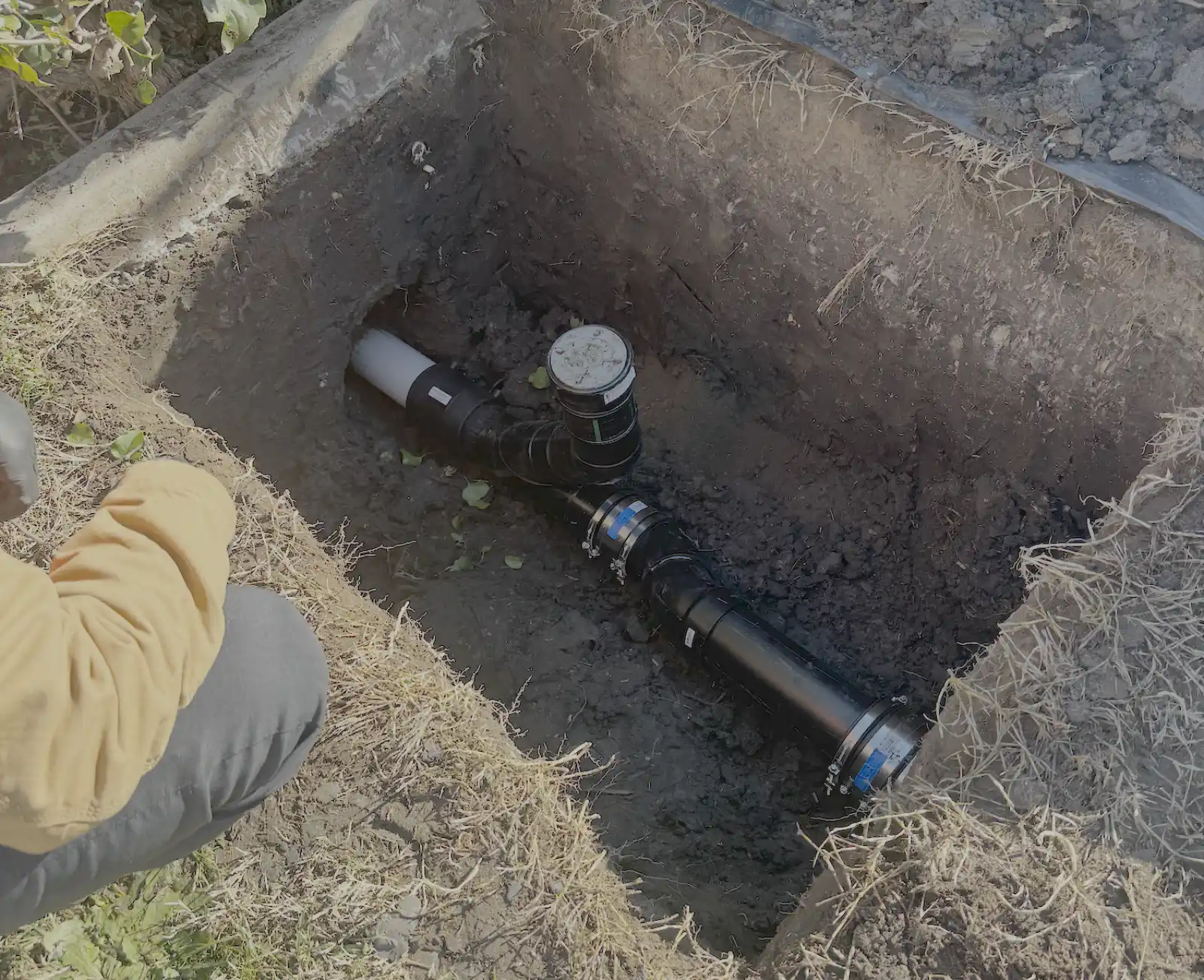
Access, pipe material, and valve size account for most of the difference between a $300 job and a $1,200 one. A valve you can see and reach is roughly an hour of work. A valve behind drywall, under a walkway, or in a buried box adds access work, restoration, and sometimes a permit, and each of those is billed on top of the replacement itself.
- Valve location: a valve under a kitchen sink takes 30 minutes. A main shut-off buried in a concrete box or behind a finished wall requires access work that can double the labor.
- Pipe material: copper, galvanized steel, PEX, and CPVC each connect differently. Galvanized is the most labor-intensive, because corroded threads usually mean cutting and transitioning rather than unthreading.
- Valve size: fixtures use 3/8 inch or 1/2 inch. Main shut-offs are typically 3/4 inch or 1 inch. Commercial mains run 2 inch and larger, and both the part and the labor scale with it.
- Condition of the surrounding pipe: if the valve has corroded into the fitting or the adjacent pipe is deteriorated, the job stops being a swap and becomes a small repipe.
- Doing several at once: per-valve cost drops when we replace multiple valves in one visit, because the shut-off and setup happen once. If you have three tired valves, do them together.
- Emergency timing: a valve that failed mid-leak is urgent work, and after-hours response is priced accordingly.
Consider a 1940s home in San Mateo with galvanized supply and a main valve in a stucco wall cavity. The valve is $40. Opening the wall, cutting out corroded pipe, transitioning to copper, setting a new full-port ball valve, and patching the stucco is most of a day. That job lands near the top of the range and nothing about it is padded.
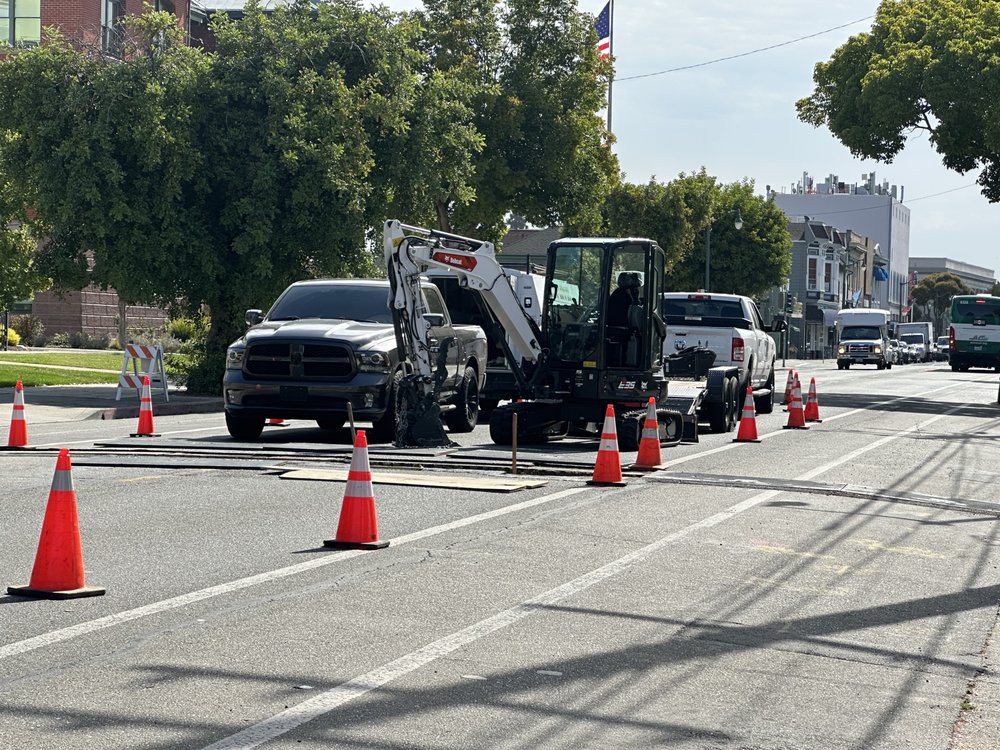
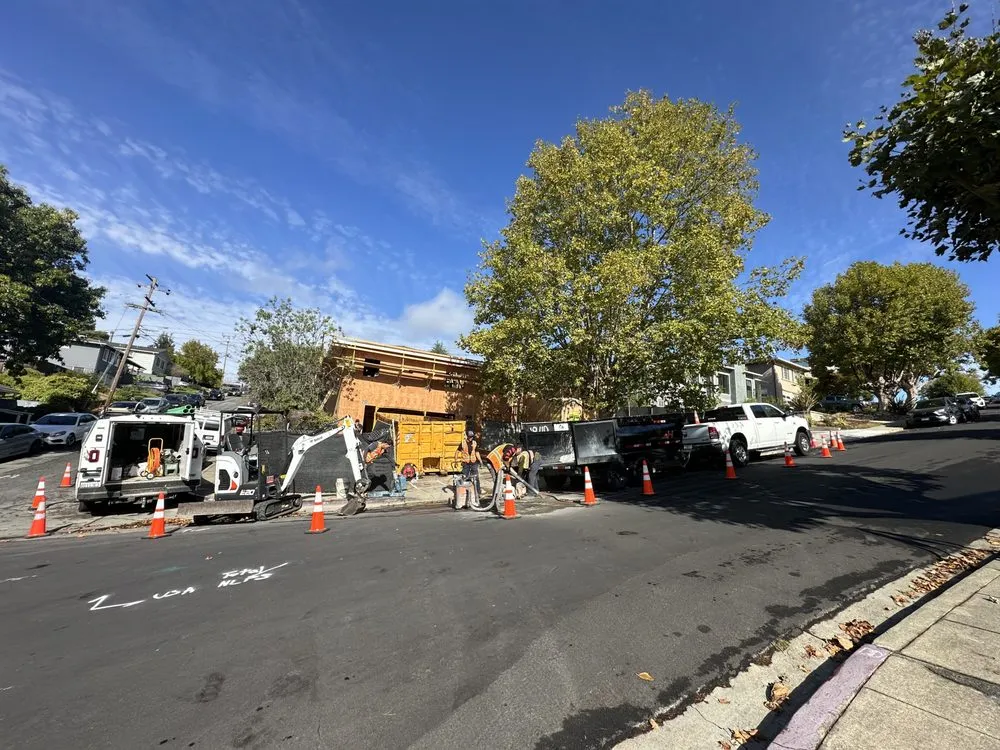
Work that reaches the street is its own tier. Once a job leaves your property line it usually brings an encroachment permit, traffic control, and restoration to the city's specification, and those are quoted separately from the plumbing.
Ball Valve or Gate Valve: Which One Do You Have?
Look at the handle. A ball valve has a straight lever that moves a quarter turn and stops. A gate valve has a round wheel you spin several full turns. If yours is a round wheel and the house predates the 1990s, it is a gate valve, and gate valves are the ones that fail. That single detail predicts most of what follows.
A ball valve uses a rotating ball with a hole through the center to control flow. Handle parallel to the pipe means open, a quarter turn means closed, and there is very little inside to corrode shut. A gate valve raises and lowers a threaded gate instead, and that mechanism corrodes internally, loses its seal, and seizes after a couple of decades of never being touched.
| Valve Type | How It Works | Lifespan | Common Issues |
|---|---|---|---|
| Ball valve | Quarter-turn rotating ball | 15 to 25 years | Seize from disuse, corrosion |
| Gate valve | Threaded gate lifts and lowers | 10 to 20 years | Corrode internally, fail to seal fully |
| Globe valve | Disc presses against a seat | 15 to 20 years | Washer wear, restricted flow |
| Compression valve | Rubber washer compresses | 8 to 15 years | Washer deterioration, leaks |
Our recommendation: whatever you have now, replace it with a full-port brass ball valve. Unrestricted flow, a reliable seal, the longest service life of the group, and a handle anyone in the house can operate in an emergency without hunting for the right direction to turn.
One honest caveat, because plumbers argue about this and homeowners deserve the real answer: a gate valve that will not shut off the last trickle is not always broken. Gate valves seal imperfectly by design as they age, and a slow weep with the wheel closed is common rather than alarming. It still means the valve can no longer do the one job you need it for in an emergency, which is why we replace it. But it is not evidence that someone damaged it.
Signs Your Shut-Off Valve Is Failing
The clearest signs are a handle that will not turn, water that keeps running with the valve fully closed, and any moisture or green and white crust at the valve body. Any one of those means the valve can no longer isolate your water, which is the only reason it exists. Most people discover this at the worst possible moment, because a shut-off valve is the one fixture in a house nobody tests.
- The handle will not turn: mineral buildup and corrosion seize both gate valves and older ball valves. A handle you cannot move is a valve you do not have.
- Dripping when closed: a failed seal. On a ball valve that usually means worn seats. On a gate valve it means internal corrosion.
- Visible corrosion: green or white deposits around the body or stem mean deterioration. It may work today and not next winter.
- Wet spots at the connection: moisture at threads or compression fittings points to a failing joint, not just a failing valve.
- It is a gate valve on your main: worth replacing before it fails rather than after.
Test yours this month. Close the main, watch a running faucet stop completely, then open it again. Two minutes now tells you whether you have a working shut-off before the night you need one.
Why a Working Main Shut-Off Matters in Bay Area Homes
A working main shut-off is the difference between a wet floor and a flooded floor. Many Bay Area homes built before 1990 still have their original gate valves on the main supply, and when a supply line lets go, a seized main means you cannot stop the water until the utility sends someone to the meter. That wait is measured in hours.
The slow version costs money too. The EPA's WaterSense program estimates that the average household wastes 180 gallons per week, or about 9,400 gallons a year, from leaks. A weeping valve is a small contributor to that, but it is also a reliable early warning that the fitting behind it is going.
Say a pipe fails under a Palo Alto kitchen at 11pm. With a quarter-turn ball valve on the main, that is a two-minute problem and a plumber in the morning. With a seized gate valve, it is an emergency call, a wait for the water district, and a restoration claim. Same failure, two very different weeks, and the difference was a valve that costs a few hundred dollars to replace on a calm afternoon.
What the Replacement Involves
A straightforward shut-off valve replacement takes 45 minutes to 2 hours from arrival to testing. The work is isolating the water upstream, draining the line, removing the old valve, setting the new one, and pressure testing it. Main valves in difficult locations run longer, and anything requiring the utility to kill service at the meter runs on their schedule as well as ours.
- Assessment: we confirm the valve type, pipe material and size, and the real scope. If we can see corroded pipe or poor support, we raise it before starting, not after.
- Water shut-off: we isolate upstream, at the main or at the meter if the main itself is being replaced.
- Drain the line: a downstream fixture is opened to clear the section.
- Remove the old valve: unthreaded, unsoldered, or cut out depending on the connection.
- Install the new valve: a full-port brass ball valve with fittings matched to your pipe material, properly sealed and supported.
- Test: pressure restored, then the valve is cycled open and closed and checked for leaks.
If your valve is accessible and the pipe around it is sound, this is a same-visit job and we usually carry the part on the truck. If it is buried, boxed, or behind finish work, expect a scoping visit first so the quote reflects what is actually there.
Other Bay Area Plumbing Costs
If you are budgeting valve work as part of a bigger job, these guides cover the other costs that usually come up alongside it: water heater replacement when the shut-off above the tank has seized, sewer lateral replacement for older Peninsula properties, trenchless sewer replacement when the yard or driveway needs to stay intact, and gas line installation if you are adding an appliance at the same time.
Talk to Next Level About Your Shut-Off Valve
Whether you have a seized main, a valve that weeps when closed, or old gate valves you would rather replace before they fail, we can tell you which valve is actually yours to fix and what it will take to replace it. We carry common valve sizes on the truck and finish most residential replacements in a single visit.
Request a free estimate or call (650) 532-4866 for same-day service across Hillsborough, Burlingame, San Mateo, Palo Alto, San Jose, San Francisco, and the surrounding Peninsula.
See more about our water line services.