Backflow Preventer Testing in California: Requirements, Costs, and Compliance
What Is a Backflow Preventer and Why Does It Matter?
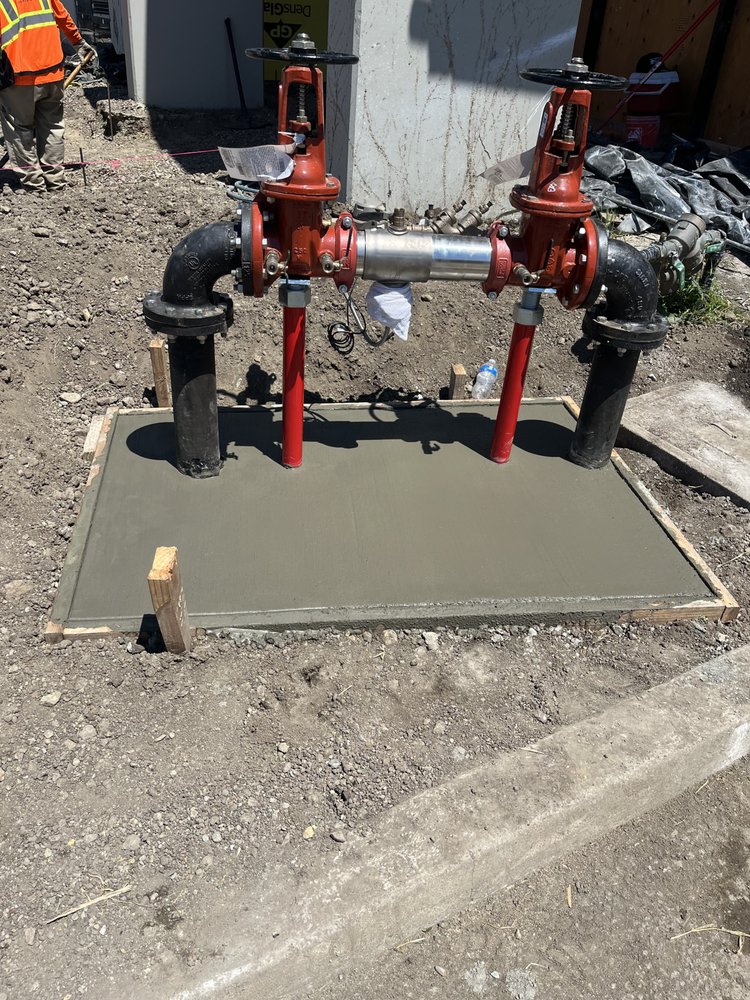
A backflow preventer is a mechanical device installed on a water line that prevents contaminated water from flowing backward into the public drinking water supply. Without one, a sudden drop in water pressure (from a water main break, fire hydrant use, or heavy demand) could cause water to flow in reverse, pulling contaminants from irrigation systems, boilers, chemical processes, or fire suppression systems back into the potable water system.
This is not a theoretical risk. Backflow contamination events have caused illness in communities across the United States. That is why California law requires backflow prevention on any water connection that presents a cross-contamination risk, and mandates that these devices be tested annually to verify they are functioning properly.
The most common types of backflow preventers we install and test in the Bay Area are Reduced Pressure Zone (RPZ) assemblies, Double Check Valve Assemblies (DCVA), and Pressure Vacuum Breakers (PVB). The correct device depends on the hazard level of the cross-connection.
California Backflow Testing Requirements
California's cross-connection control requirements are among the strictest in the country. Here is what the law requires:
- Annual testing: All backflow prevention assemblies must be tested at least once per year by a certified backflow tester. Some water districts require more frequent testing for high-hazard connections.
- Certified tester: The person performing the test must hold a current backflow prevention assembly tester certification recognized by the State Water Resources Control Board (SWRCB). The State Water Board publishes the list of recognized and accredited tester certifications.
- Results submitted to the water district: Test results must be filed with your local water purveyor (such as Cal Water, SFPUC, EBMUD, or your city water department) within 14 to 30 days of testing, depending on the district.
- Failed devices must be repaired and re-tested: If a device fails its annual test, the property owner is responsible for having it repaired and re-tested within the timeframe specified by the water district, typically 30 days.
Tester Certification Under the State Handbook
California's Cross-Connection Control Policy Handbook took effect on July 1, 2024, and the State Water Board adopted a revised version on April 21, 2026 that corrected references to the organizations that accredit tester certification programs. The Board publishes a list of recognized and accredited backflow assembly tester certifications.
For property owners, the practical step is simple: ask your tester which certification they hold, and confirm it is current and accepted by the water district that serves your property before the test is filed.
Who Needs Backflow Testing?
If your property has any of the following, you almost certainly have a backflow prevention device that requires annual testing:
- Commercial properties: Virtually all commercial water connections require backflow prevention. This includes offices, retail spaces, restaurants, medical facilities, and industrial buildings.
- Irrigation systems: Any irrigation system connected to the potable water supply requires a backflow preventer, typically a PVB or RPZ depending on the configuration. This applies to both commercial landscaping and residential systems with chemical injection.
- Fire sprinkler systems: Fire suppression systems use stagnant water that can become contaminated with bacteria and corrosion products. Backflow protection is mandatory for all fire line connections.
- Properties with boilers or cooling towers: These systems use chemical treatments that must be isolated from the drinking water supply.
- Multi-unit residential buildings: Many apartment complexes and condominiums in the Bay Area have backflow devices on their main water service, especially those with shared irrigation, pool systems, or boiler heating.
- Properties with private wells: If a property has both a private well and a public water connection, backflow prevention is required to prevent well water from entering the public system.
What Happens If You Skip Testing?
We have seen property owners ignore backflow testing notices, assuming it is a minor administrative requirement. The consequences can be significant:
- Violation notices: Your water district will issue progressively stern notices. Most districts send an initial reminder, a second notice, and then a final warning before taking enforcement action.
- Potential water shutoff: Districts have the authority to shut off water service to non-compliant properties. While this is a last resort, we have seen it happen, particularly for commercial properties that repeatedly ignore testing requirements.
- Liability if contamination occurs: If a backflow event contaminates the public water supply and your device was not tested or maintained, you face significant legal liability. This can include costs for public notification, water system flushing, medical monitoring, and civil penalties.
- Fines: Some water districts impose fines for non-compliance that increase with each violation. These can range from $100 to $1,000+ per device per violation period.
- Failed property transactions: Backflow compliance is increasingly checked during commercial property sales and lease negotiations. Non-compliance can delay or kill a deal.
Backflow Testing Costs in the Bay Area
Backflow testing costs in the Bay Area typically fall within these ranges:
| Service | Typical Cost |
|---|---|
| Annual testing (per device) | $75 - $250 |
| Minor repair (valve rebuild, seal replacement) | $150 - $500 |
| Major repair or device replacement | $800 - $3,000+ |
| New installation (RPZ or DCVA) | $2,500 - $8,000 |
| Multi-device testing (3+ devices, per device) | $50 - $150 |
Properties with multiple devices benefit from volume pricing. We work with property management companies across the Bay Area who schedule all their buildings together to reduce per-device costs and streamline compliance tracking.
How We Handle Backflow Compliance
At Next Level Plumbing Services, we provide complete backflow compliance services, from new device installation to annual testing, repair, and documentation. Here is how we support Bay Area property owners and managers:
- Installation: We install above-ground RPZ, DCVA, PVB, and detector assemblies for domestic water, irrigation, and fire line applications. We specify the correct device based on your water district's requirements and the hazard level of your cross-connection.
- Annual testing: We perform certified annual tests using calibrated gauges and file the results directly with your water purveyor: Cal Water, SFPUC, EBMUD, San Jose Water, or whichever district serves your property.
- Repair: When a device fails testing, we diagnose the issue, perform the repair, and re-test on the same visit whenever possible. This minimizes downtime and keeps you compliant without scheduling a separate appointment.
- Documentation: We maintain records of all tests and repairs and provide documentation formatted for property management files, water district submittals, and insurance records.
We serve commercial properties, apartment complexes, HOAs, and municipal facilities throughout the Bay Area including San Francisco, San Mateo County, Alameda County, Santa Clara County, and surrounding areas.
Stay Compliant: Schedule Your Backflow Test
If your backflow preventer is due for testing, or you have received a notice from your water district, do not wait. Non-compliance gets more expensive the longer you delay.
Request a backflow testing appointment or call us at (650) 532-4866. We handle single devices and multi-property portfolios with equal attention to compliance and documentation.
Learn more about our backflow prevention services.