Water Heater Replacement Cost in the Bay Area: Tank vs Tankless
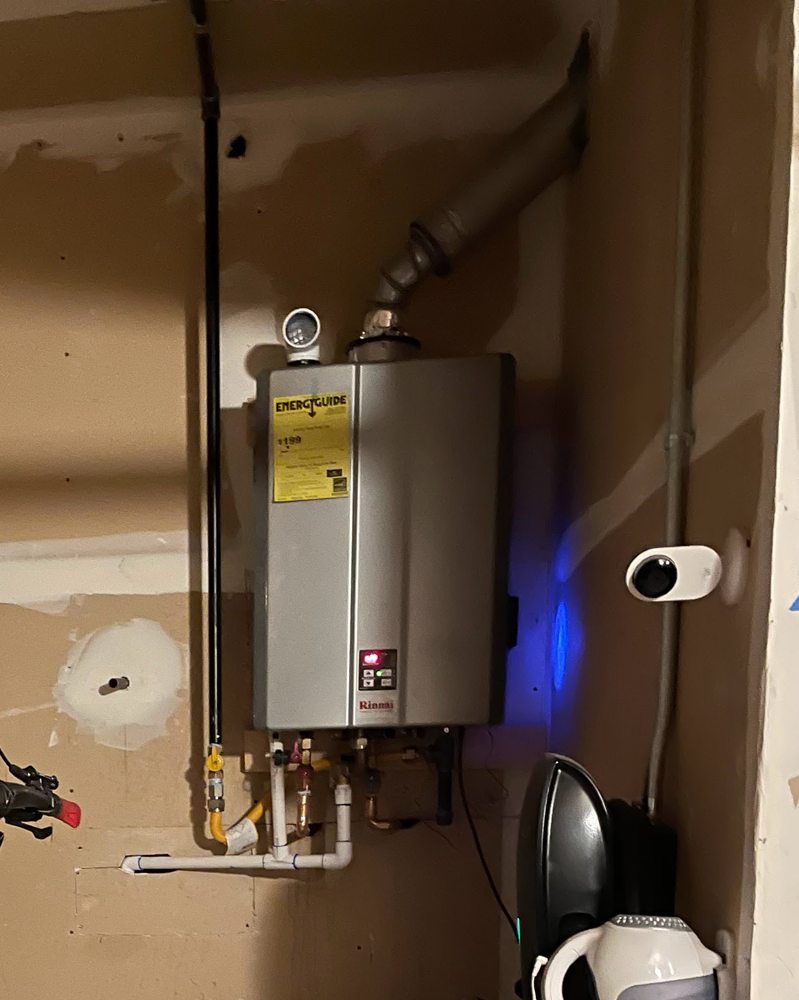
Water heater replacement in the Bay Area typically costs $2,200 to $4,500 for a standard tank unit and $4,500 to $9,500 for a tankless system, installed and permitted. The spread comes down to what you are replacing, what the current code requires, and whether your gas and water lines can support the new unit as-is. This guide breaks down realistic 2026 pricing for San Mateo County and the wider Bay Area, compares tank and tankless honestly, and flags the local rule changes that should factor into your decision.
How Much Does Water Heater Replacement Cost in the Bay Area?
Here is what we typically see for installed, permitted replacements across the Peninsula:
| Replacement Type | Typical Installed Cost |
|---|---|
| Gas tank, 40 to 50 gallon (like-for-like swap) | $2,200 to $4,500 |
| Electric tank, 40 to 50 gallon | $2,000 to $4,000 |
| Tankless, replacing an existing tankless | $4,000 to $6,500 |
| Tank-to-tankless conversion (gas) | $5,500 to $9,500 |
| Heat pump water heater (before rebates) | $4,500 to $8,000 |
| Gas line upsizing for tankless | $800 to $2,500 |
| Code upgrades (strapping, expansion tank, drip pan, T&P line) | $250 to $600 |
| Permit and inspection | $150 to $500 |
The most common project we see, a 40 to 50 gallon gas tank swap with code upgrades and permit, lands between $2,500 and $4,000. Tankless conversions land between $6,000 and $9,000 once gas line upsizing and venting are included.
Tank vs Tankless: An Honest Comparison
| Factor | Tank | Tankless |
|---|---|---|
| Installed cost | $2,200 to $4,500 | $4,500 to $9,500 |
| Lifespan | 8 to 12 years | 20+ years |
| Hot water supply | Limited by tank size | Continuous on demand |
| Energy use | Standby losses 24/7 | Heats only when needed |
| Space required | Full closet or garage corner | Wall-mounted, suitcase sized |
| Maintenance | Anode and flush every few years | Annual descaling in hard water areas |
Over a 20 year horizon the math often favors tankless: one tankless unit at $7,000 versus two tank replacements at $3,500 each comes out roughly even, and the tankless delivers endless hot water and lower gas bills along the way. Over a 5 year horizon, the tank wins on cost almost every time.
What Drives the Cost Up?
- Gas line capacity: A tankless unit can demand 150,000 to 199,000 BTU, several times what a tank draws. Many Bay Area homes have 1/2 inch or 3/4 inch gas branches that must be upsized, which is why we price the gas line work as part of every conversion quote. Our gas line cost guide covers those numbers in detail.
- Venting: Tankless and high-efficiency units need dedicated PVC or stainless venting. Rerouting venting through a finished garage ceiling or exterior wall adds labor.
- Location changes: Moving the heater from a hallway closet to the garage, or outdoors, means extending water, gas, and condensate lines.
- Code catch-up: California requires seismic strapping, a temperature and pressure relief drain to the exterior, and in many cases an expansion tank. Older Hillsborough and Burlingame homes that have not had a permitted replacement in 15 or more years usually need all three.
- Water pressure and valves: If the shut-off valve at the heater has seized, it gets replaced during the job. See our ball valve replacement cost guide for what that adds, typically $200 to $450 at the water heater.
- Emergency timing: A failed heater flooding a garage on a Sunday costs more than a planned weekday replacement. If your unit is 10 or more years old, replacing on your schedule beats replacing on the heater's schedule.
The Bay Area Wrinkle: 2027 Zero-NOx Rules
The Bay Area Air Quality Management District (BAAQMD) has adopted amendments to its appliance rules that are set to require zero-NOx water heaters, effectively electric heat pump units, for most new residential water heater installations starting in 2027. Implementation details and timelines have continued to shift, so verify the current status before you commit, but the direction is clear: this is likely one of the last replacement cycles where a like-for-like gas unit is a straightforward option in San Mateo County.
Practical implications for Peninsula homeowners:
- If your gas heater is near end of life, replacing it in 2026 locks in another 8 to 12 years of gas operation before the question comes up again.
- If you are leaning electric, heat pump water heaters qualify for federal tax credits and state rebates that can offset $2,000 or more of the cost, but they need a 240V circuit and more clearance space than a gas tank.
- Either way, plan the infrastructure: panel capacity for electric, or gas line sizing for tankless. That underground and in-wall work is where we come in.
The Replacement Process
- Assessment: We confirm the size and fuel type you need, check the gas line, venting, water pressure, and shut-off valve, and quote the full scope including code upgrades.
- Permit: We pull the plumbing permit from your local building department.
- Removal and installation: We drain and remove the old unit, set the new one, and make up the water, gas, venting, and condensate connections.
- Code items: Seismic straps, T&P relief line, drip pan, and expansion tank as required.
- Testing and inspection: We leak test the gas connection, verify operation, and schedule the city inspection.
Frequently Asked Questions
A like-for-like tank swap is usually done in half a day. A tank-to-tankless conversion typically takes 1 to 2 days because of gas line upsizing, new venting, and condensate drainage. Permit inspection is scheduled separately.
Yes. Every water heater replacement in California requires a plumbing permit and inspection, including like-for-like swaps. Inspectors check seismic strapping, the temperature and pressure relief line, venting, and the gas connection.
If you are staying in the home 10 or more years, use a lot of hot water, or are remodeling anyway, usually yes. Tankless units last 20 or more years versus 8 to 12 for tanks and free up floor space. For a short ownership horizon, a quality tank is the better value.
A tankless unit draws far more gas at once than a tank, so the existing gas line usually needs to be upsized. Add dedicated venting, a condensate drain, and an electrical outlet, and the install labor is several times a simple tank swap.
The Bay Area Air Quality Management District has adopted zero-NOx rules that are set to phase out new gas-fired residential water heaters starting in 2027, pushing replacements toward electric heat pump units. Rules and timelines are still evolving, so confirm current requirements before you buy.
Planning a Water Heater Replacement?
Whether you need a straightforward tank swap, a tankless conversion with gas line upsizing, or the water and gas infrastructure to support an electrification project, we can help you scope it correctly the first time.
Request a free estimate or call us at (650) 532-4866 to discuss your project. We serve the entire Bay Area including Hillsborough, Burlingame, San Mateo, Palo Alto, San Jose, and surrounding communities.
Learn more about our water line services and gas line services, or see our other cost guides on gas line installation, trenchless sewer replacement, and ball valve replacement.